From action in landscapes to broader change: financing more sustainable land use in critical ecosystems
Deforestation and biodiversity loss are accelerating in some of the world’s most critical ecosystems, putting nature, food security and climate stability under growing pressure. At the same time, global food production remains essential to meeting growing demand and supporting livelihoods. In regions such as Brazil’s Amazon and Cerrado, ongoing deforestation and land conversion, closely linked to food production, continue to undermine ecosystems and increase the risk of irreversible damage. Scientists warn that parts of the Amazon may approach an irreversible tipping point within the next decade.
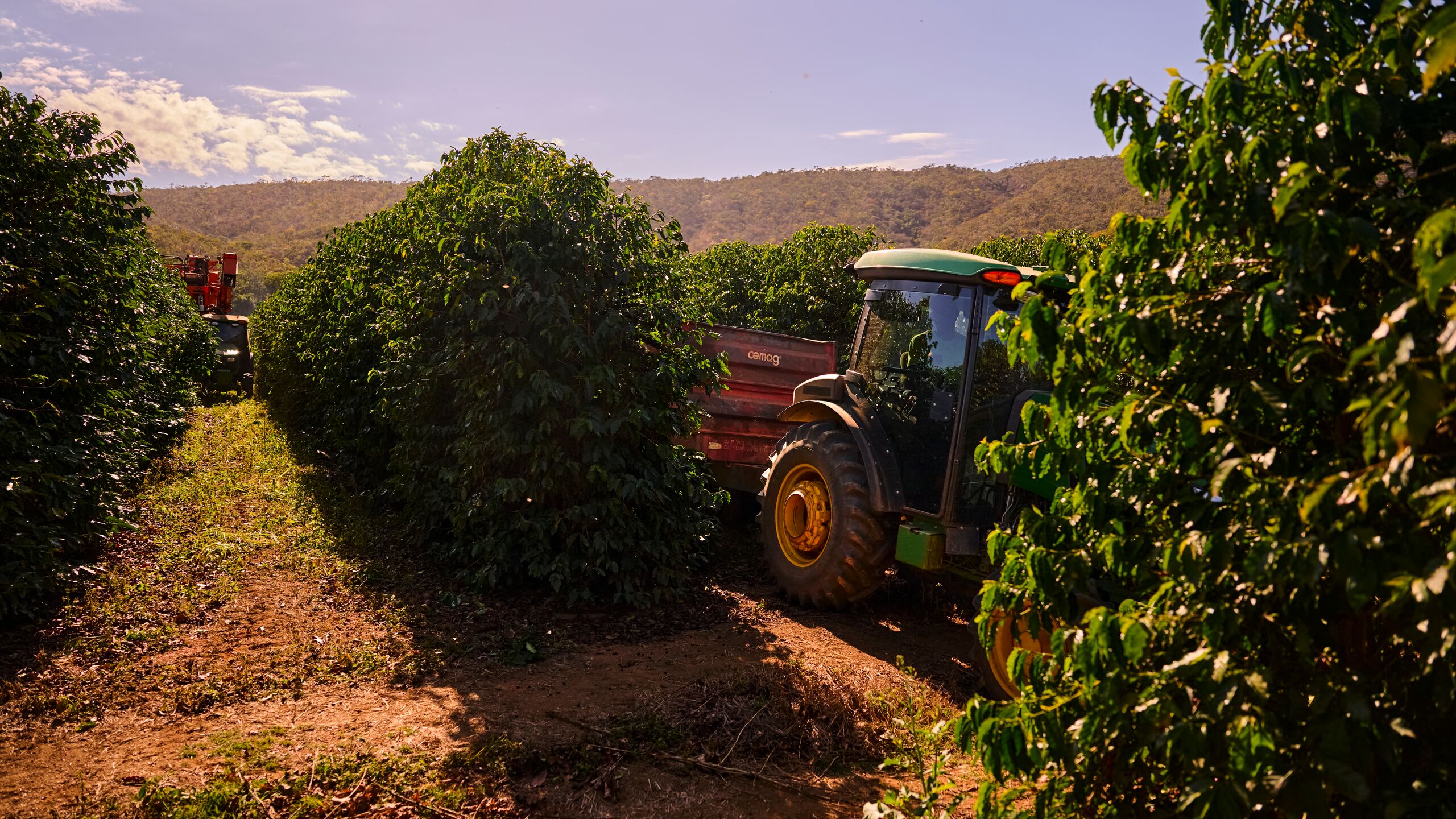
These challenges are systemic. They are shaped by the interaction between markets, policy, production systems, and finance, and cannot be addressed by conservation efforts alone. The way food is produced is shaped, among other factors, by how it is financed. Decisions across agricultural value chains – made by farmers, companies and financial actors - are partly driven by financial incentives and conditions.
Against this backdrop, WWF and Rabobank renewed their international partnership. It is grounded in a shared conviction: that sustainable land use is an important lever for protecting biodiversity and restoring ecosystems. Integrating nature more structurally into financial decision-making, and applying financial innovation to nature restoration, can help align the choices and incentives across agricultural value chains.
By doing so, the partnership aims to make more sustainable, deforestation- and conversion-free land use a viable option in practice, while demonstrating how conservation and finance can work together to co-create solutions that are both economically viable and ecologically sound.
Starting from action in landscapes
The partnership reflects a deliberate attempt to explore how conservation and finance can work together to contribute to a broader transition towards food and finance systems that better reflect the value and limits of nature over time. At its core, this starts with concrete action in landscapes: areas where nature, farming and local communities are closely connected.
The collaboration focuses initially on critical regions such as Brazil, where pressures on nature are high and opportunities for change are tangible. Here, WWF and Rabobank will work together to test and better understand how financial tools and incentives can support more sustainable land-use practices. This includes developing and applying instruments that reward deforestation- and conversion-free production, and that can help make more nature-positive practices a viable economic choice.
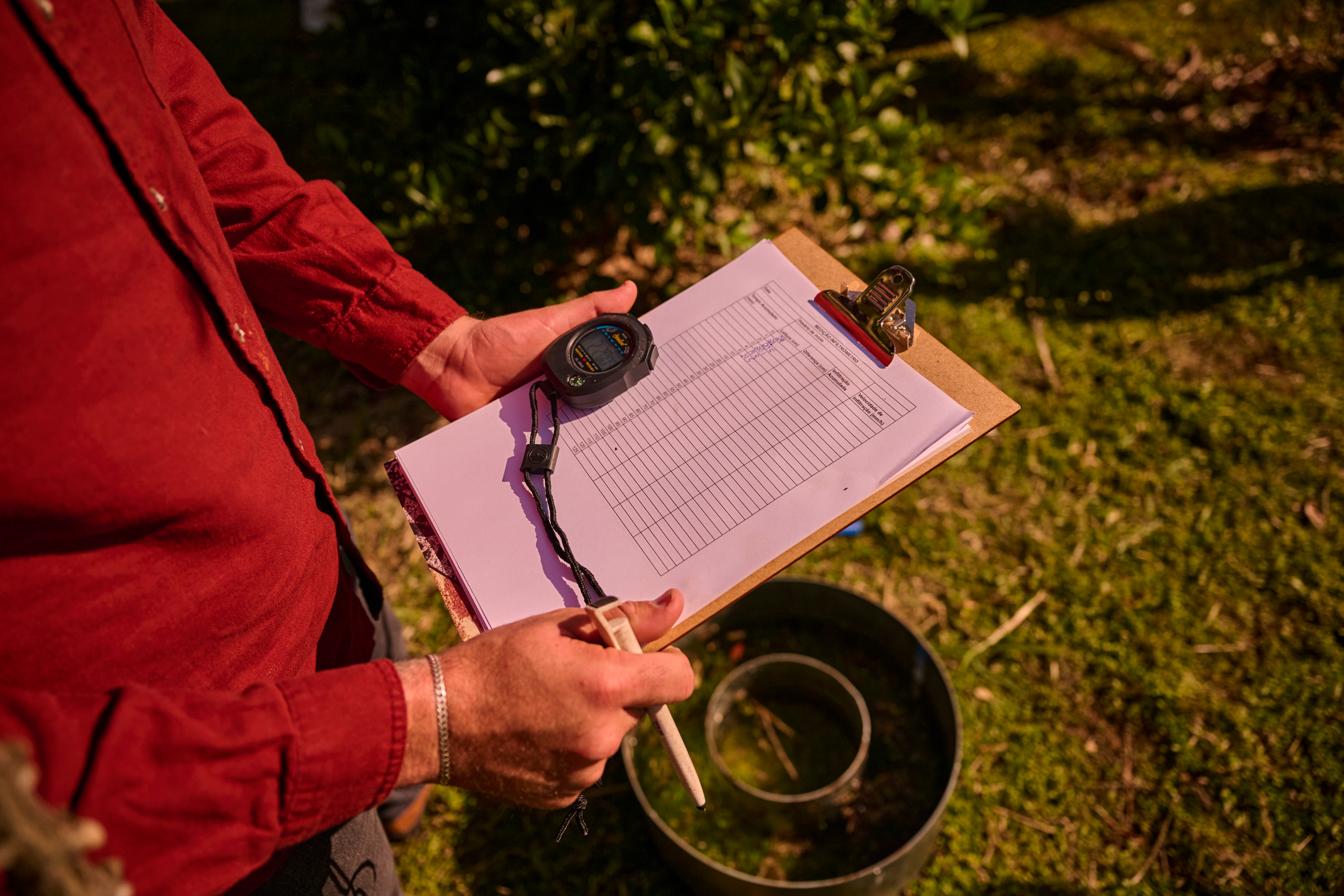
This approach allows the partnership to move beyond isolated interventions. It makes it possible to align actors within the same region, address shared challenges, and better understand the conditions under which solutions can emerge that are both economically viable and support nature. These landscapes function as learning environments, generating practical insights into what works, what does not, and under which circumstances.
From practice to broader change
What is learned throughout this collaboration is deliberately used beyond these regions. Insights from practice inform how financial decision-making can evolve more broadly, including how nature is further integrated into Rabobank’s portfolio strategies, policies and capital allocation decisions, the way nature-related risks and impacts are understood, and the alignment of financial approaches with emerging frameworks and standards such as the Global Biodiversity Framework and the Taskforce on Nature-related Financial Disclosures (TNFD).
Extending impact beyond individual landscapes
In parallel, the partnership engages beyond individual landscapes and institutions. By sharing lessons, advancing good practices and participating in joint advocacy, WWF and Rabobank seek to contribute to stronger policies, clearer standards and a more level playing field across the financial sector. In this way, experience gained in specific contexts is connected to broader shifts in markets and regulations.
Across these dimensions, the partnership follows a consistent logic: moving from demonstration in practice, to learning what enables change, to informing wider adoption. The ambition is not only to support incremental improvements, but to contribute to structural shifts in the way financial flows and incentives shape food production systems.
Distinct roles, shared ambition
Within this collaboration, WWF and Rabobank operate in distinct but complementary roles. WWF brings its conservation expertise and landscape experience, and engages as an independent organization that can inform, challenge and assess financial approaches against outcomes that reduce pressure on nature. Rabobank brings its knowledge of food and agricultural value chains, financial instruments, client relationships and market reach, and works to integrate nature into its financing decisions and engagement with clients.
At the same time, both organizations recognize the limits of their direct influence. Financial and land-use outcomes are shaped by multiple actors and external conditions, and neither partner can control all outcomes or eliminate all deforestation or land conversion on their own. Meaningful change at scale depends on coordinated shifts across this wider system, in which banks, investors, companies and public actors each play distinct but connected roles.
The partnership is therefore best understood as an important contribution to a broader transition. By connecting landscape-level action with changes in financial decision-making and the wider enabling environment, it seeks to demonstrate how financial decisions can support for the protection and restoration of nature - and to help create the conditions under which such approaches can be taken up more widely over time.